


Cultural Pacific Uniforms for Schools and Groups

Uniforms play a significant role in educational institutions and community groups, serving as a symbol of unity, identity, and cultural pride. In the Pacific region, where diverse cultures and traditions thrive, the design and implementation of uniforms can reflect the rich heritage of the communities they represent. This blog post explores the importance of cultural Pacific uniforms for schools and groups, highlighting their significance, design elements, and the impact they have on students and community members.
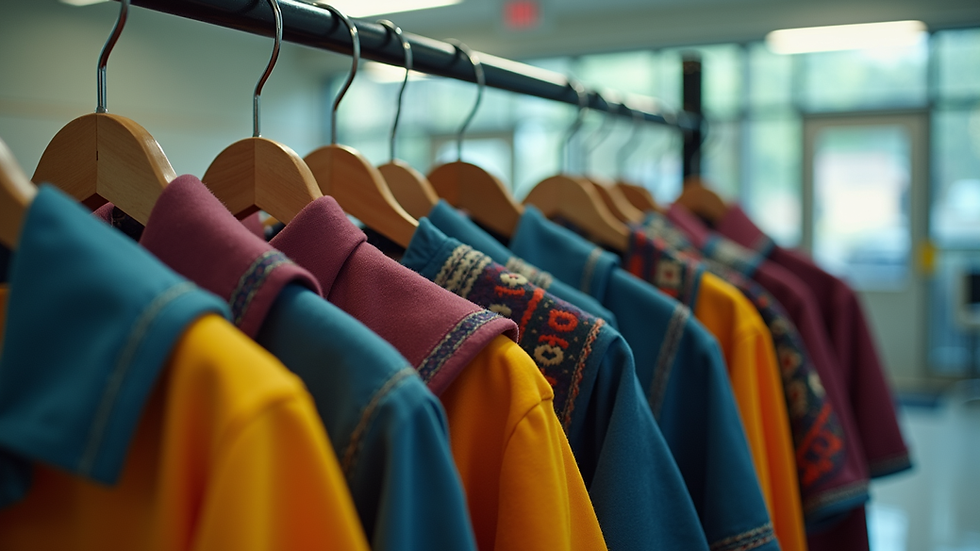
The Significance of Cultural Uniforms
Cultural uniforms are more than just clothing; they embody the values, traditions, and identity of a community. In the Pacific, where cultures are deeply rooted in history and tradition, uniforms can serve several important purposes:
Fostering Unity: Wearing a uniform creates a sense of belonging among students and group members. It helps to eliminate social barriers and promotes inclusivity.
Cultural Representation: Uniforms that incorporate traditional patterns, colors, and symbols allow students to express their cultural heritage proudly.
Enhancing Discipline: Uniforms can instill a sense of discipline and responsibility among students, encouraging them to take their education seriously.
Promoting School Spirit: A well-designed uniform can boost school spirit and pride, making students feel more connected to their institution.
Design Elements of Pacific Uniforms
When it comes to designing cultural uniforms for schools and groups in the Pacific, several key elements should be considered:
Traditional Patterns and Motifs
Incorporating traditional patterns and motifs into uniform designs is essential for cultural representation. These designs often tell stories or symbolize important aspects of the community's heritage. For example:
Tapa Cloth Patterns: Derived from bark cloth, tapa patterns are often used in Pacific designs. They can represent family lineage or significant events in a community's history.
Ocean and Nature Themes: Many Pacific cultures have a deep connection to the ocean and nature. Designs that reflect marine life, waves, or flora can evoke a sense of place and identity.
Color Choices
Colors hold significant meaning in many Pacific cultures. Selecting the right colors for uniforms can enhance their cultural relevance. For instance:
Blue and Green: Often associated with the ocean and nature, these colors can symbolize life and growth.
Red and Yellow: These colors may represent strength and vitality, often used in ceremonial attire.
Fabric Selection
The choice of fabric can also impact the overall design and comfort of the uniform. Lightweight, breathable materials are ideal for the warm Pacific climate. Additionally, using locally sourced fabrics can support local economies and promote sustainability.
Examples of Cultural Pacific Uniforms
School Uniforms
Many schools in the Pacific have adopted uniforms that reflect their cultural heritage. For example:
Fijian Schools: In Fiji, school uniforms often feature traditional patterns inspired by local art and culture. These uniforms not only promote school spirit but also educate students about their heritage.
Samoan Schools: Samoan school uniforms frequently incorporate the ie faitaga, a traditional wrap worn by both boys and girls. This garment symbolizes cultural pride and identity.
Community Groups
Cultural uniforms are also prevalent in community groups and organizations. For instance:
Cultural Dance Groups: Many dance groups wear traditional attire that showcases their cultural heritage. These uniforms often include intricate designs and vibrant colors that reflect the stories being told through dance.
Sports Teams: Local sports teams may wear uniforms that incorporate cultural elements, fostering a sense of pride and unity among players and supporters.
The Impact of Cultural Uniforms on Students and Communities
Cultural uniforms can have a profound impact on both students and the wider community. Here are some of the benefits:
Building Confidence and Identity
Wearing a cultural uniform can boost students' confidence and help them embrace their identity. When students feel proud of their heritage, they are more likely to engage positively in their education and community activities.
Encouraging Cultural Awareness
Cultural uniforms can serve as a tool for education, sparking conversations about heritage and traditions. This awareness can foster respect and appreciation for diversity among students from different backgrounds.
Strengthening Community Bonds
When schools and community groups adopt cultural uniforms, they strengthen the bonds within the community. These uniforms can become a source of pride, encouraging collaboration and support among members.
Challenges in Implementing Cultural Uniforms
While the benefits of cultural uniforms are clear, there are challenges that schools and groups may face when implementing them:
Cost Considerations
Creating culturally relevant uniforms can sometimes be more expensive than standard uniforms. Schools may need to seek funding or support from the community to cover these costs.
Balancing Tradition and Modernity
Finding the right balance between traditional designs and modern practicality can be challenging. Schools must consider students' comfort and preferences while staying true to cultural elements.
Inclusivity
Ensuring that uniforms are inclusive and represent the diverse backgrounds of all students can be a complex task. Schools should engage with the community to gather input and feedback on uniform designs.
Conclusion
Cultural Pacific uniforms for schools and groups are more than just clothing; they are a celebration of identity, heritage, and community. By incorporating traditional patterns, colors, and fabrics, these uniforms foster unity, pride, and cultural awareness among students and community members. Despite the challenges in implementing such uniforms, the benefits far outweigh the obstacles. Schools and groups that embrace cultural uniforms can create a more inclusive and supportive environment, enriching the educational experience for all.
As we move forward, it is essential for schools and community organizations to prioritize cultural representation in their uniforms. By doing so, they not only honor their heritage but also empower the next generation to embrace their identity with pride.

Comments