


Importing Authentic Samoan and Fijian Clothing Online

The allure of Samoan and Fijian clothing lies not only in their vibrant colors and unique patterns but also in the rich cultural heritage they represent. As the world becomes increasingly interconnected, the opportunity to import authentic clothing from these Pacific islands has never been more accessible. This blog post will guide you through the process of importing these beautiful garments online, ensuring you appreciate their cultural significance while enjoying the convenience of shopping from home.
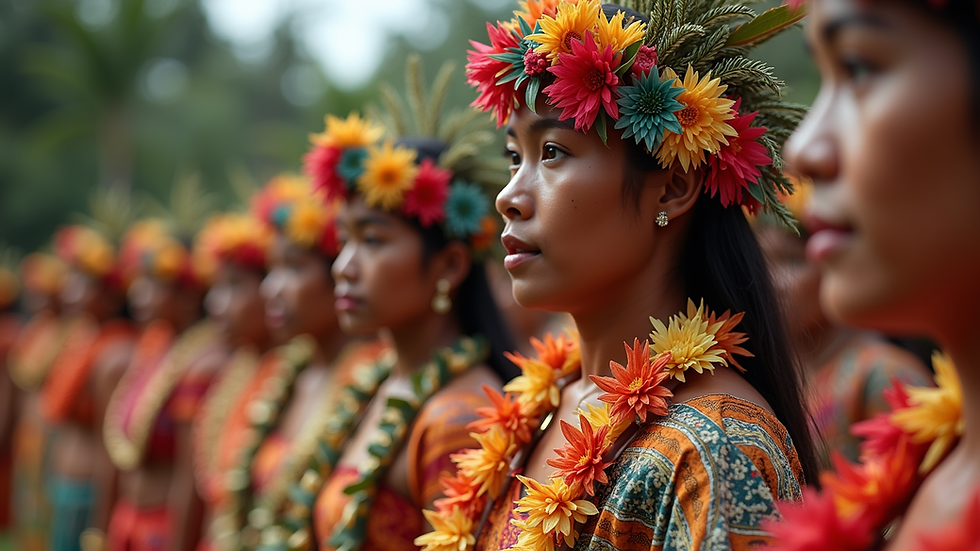
Understanding the Cultural Significance
Before diving into the logistics of importing clothing, it's essential to understand the cultural significance of Samoan and Fijian attire. Each piece tells a story, often reflecting the wearer's identity, social status, and cultural background.
Samoan Clothing
Samoan clothing, particularly the lava-lava, is a traditional garment worn by both men and women. This wrap-around cloth is not only comfortable but also versatile, suitable for various occasions. The designs often feature intricate patterns that symbolize family lineage and cultural beliefs.
Fijian Clothing
Fijian attire, on the other hand, includes the sulu, a similar wrap-around garment that can be worn in multiple ways. Fijian clothing often incorporates bright colors and floral patterns, representing the lush landscapes of the islands. The bula shirt, a popular choice for men, is characterized by its vibrant prints and is often worn during celebrations and festivals.
Finding Authentic Sources
When importing clothing, authenticity is key. Here are some tips to ensure you are purchasing genuine Samoan and Fijian garments:
Research Reputable Sellers
Start by researching online stores that specialize in Pacific Island clothing. Look for sellers who provide detailed descriptions of their products, including the materials used and the cultural significance of the designs. Customer reviews can also offer insights into the authenticity and quality of the clothing.
Check for Certifications
Some sellers may have certifications or affiliations with local artisans or cultural organizations. This can be a good indicator that the clothing is authentic and ethically sourced.
Explore Local Markets
If you have the opportunity to visit Samoa or Fiji, consider exploring local markets. Many artisans sell their creations directly, allowing you to experience the culture firsthand while supporting local economies.
The Importing Process
Once you've identified a reputable seller, the next step is to navigate the importing process. Here’s a step-by-step guide:
Step 1: Understand Import Regulations
Before placing an order, familiarize yourself with your country’s import regulations. Some countries may have restrictions on certain textiles or require specific documentation.
Step 2: Place Your Order
When you’re ready to purchase, ensure you provide accurate shipping information. Double-check the seller’s shipping policies, including estimated delivery times and costs.
Step 3: Track Your Shipment
After placing your order, keep an eye on your shipment. Most reputable sellers will provide tracking information, allowing you to monitor its progress until it arrives at your doorstep.
Step 4: Customs Clearance
Be prepared for customs clearance. Depending on the value of your order, you may need to pay import duties or taxes. Familiarize yourself with these potential costs to avoid surprises.
Caring for Your Garments
Once your authentic Samoan or Fijian clothing arrives, proper care is essential to maintain its beauty and longevity. Here are some tips:
Washing Instructions
Always check the care label for specific washing instructions. Generally, hand washing in cold water is recommended to preserve the colors and fabric integrity. Avoid bleach and harsh detergents.
Storage Tips
Store your garments in a cool, dry place away from direct sunlight to prevent fading. Consider using breathable garment bags to protect them from dust and moisture.
Repair and Maintenance
If your clothing requires repairs, seek out a tailor experienced in working with traditional fabrics. This ensures that any alterations maintain the garment's authenticity.
Celebrating Cultural Heritage
Wearing authentic Samoan and Fijian clothing is not just about fashion; it’s a way to celebrate and honor the rich cultural heritage of these islands. Here are some ways to embrace this cultural connection:
Attend Cultural Events
Participate in local cultural events or festivals that celebrate Samoan and Fijian traditions. Wearing your imported clothing can enhance your experience and show respect for the culture.
Share Your Knowledge
Educate others about the significance of the clothing you wear. Share stories about the artisans who created your garments and the cultural meanings behind the designs.
Support Local Artisans
Whenever possible, consider supporting local artisans directly. This not only helps preserve traditional craftsmanship but also strengthens the cultural economy of Samoa and Fiji.
Conclusion
Importing authentic Samoan and Fijian clothing online opens a window to the rich cultural tapestry of the Pacific Islands. By understanding the significance of these garments, finding reputable sources, and caring for your clothing, you can enjoy a unique fashion experience that honors tradition. As you wear these beautiful pieces, remember that you are not just making a fashion statement; you are celebrating a vibrant culture and supporting the artisans who keep these traditions alive.
Take the next step in your journey by exploring online stores and discovering the beauty of Samoan and Fijian clothing for yourself.

Comments